
Lawyer James Levy announces civil lawsuit against Royal Gibraltar Police over search warrant that sparked McGrail case
Hassans managing partner says police violated Article 7 of the Constitution, which protects the right to privacy
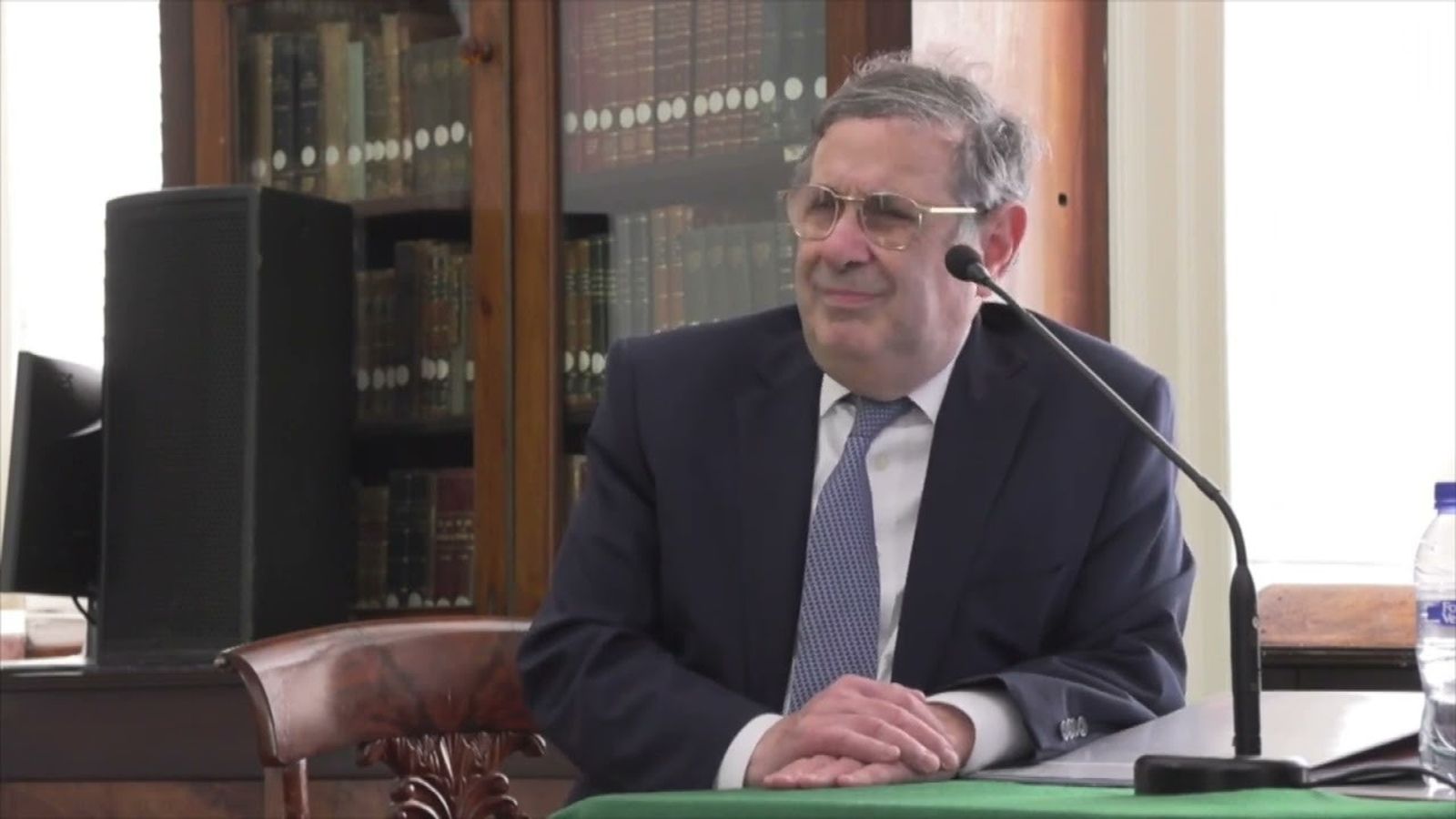
James Levy, managing partner at law firm Hassans and friend and mentor of Gibraltar’s Chief Minister Fabian Picardo, has announced he will pursue civil legal action against the Royal Gibraltar Police (RGP) over what he considers the irregular execution of a search warrant in May 2020, which he views as a serious breach of his constitutional right to privacy.
In a statement issued Monday through Hassans, Levy said he had sent a formal pre-action letter to the RGP Commissioner, notifying him of his intention to initiate civil proceedings over the alleged violation of Article 7 of the Gibraltar Constitution, which safeguards the right to privacy and, Levy emphasized, is closely linked to the duty of confidentiality he owes to his clients.
The search warrant, issued as part of the so-called Operation Delhi, was requested by RGP officers from the Magistrates’ Court while Levy was a suspect in a police investigation. However, the lawyer was never arrested or charged and was subsequently fully exonerated as the investigation followed its normal course.
Levy claims the police action resulted in illegal intrusions into his home and professional premises, as well as the seizure of electronic devices containing legally privileged and confidential material. These events were among those examined in the public inquiry into the early retirement of former Police Commissioner Ian McGrail, chaired by Sir Peter Openshaw.
In the final report, Openshaw noted that Fabian Picardo made “gravely inappropriate” attempts to interfere with the investigation and police operation when he reprimanded the then-head of the RGP over the search. Picardo believed the warrant had been requested on insufficient evidence and that a lawyer of Levy’s standing should have voluntarily cooperated with the RGP, which could have obtained a less intrusive production order for electronic devices rather than a full search.
Openshaw’s report contains serious criticisms of the warrant request, highlighting multiple procedural deficiencies, including the lack of full and frank disclosure to the court. Levy, who gave evidence during the inquiry, noted that the report also confirmed his total exoneration from any wrongdoing.
However, Sir Peter Openshaw clarified that his commission was not empowered to rule on the legality of the warrant. He stated in his report that he was “entirely satisfied” that RGP officers acted in good faith and noted that the request had been drafted without legal advice, in line with the practice at the time. Nevertheless, he acknowledged facts that “could lead others to consider that there were procedural failings” in the application presented to the court.
Among his recommendations, the inquiry chair proposed that in high-profile, sensitive, or legally complex cases, search warrant applications should be reviewed by the Office of Criminal Prosecution and Litigation (OCPL), potentially with the involvement of independent lawyers with experience. He also recommended that the RGP be represented by legal counsel in such applications and that judges be given sufficient time to thoroughly examine written grounds before making a decision.
Levy stated that, for the time being, he will make no further comments while preparing for the potential legal process.
También te puede interesar